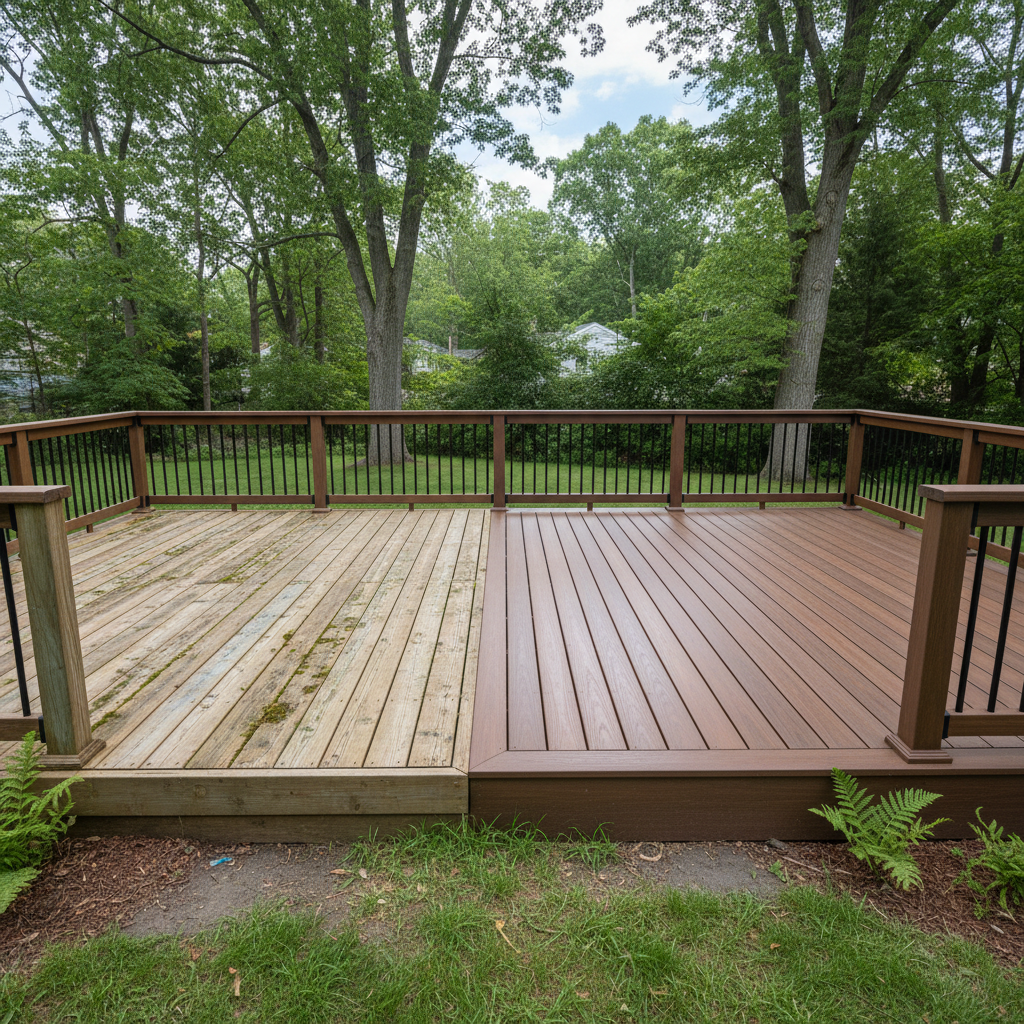
So, you're thinking about a composite deck. Smart move, really. You get the look of wood without all the sanding, staining, and, let's be honest, those annoying splinters. But once you start looking, you'll quickly realize it's not just 'composite' – there are actually a few different kinds out there. The big distinction you'll hear about is 'capped' versus 'uncapped' composite. What's the real story with that? Let's dig in.
What's the Difference?
Think of uncapped composite as the original recipe. It's a mix of wood fibers and plastic, all pressed together. It was a huge step up from wood, no doubt about it. But like any first-generation product, it had its quirks. Then came capped composite. This is basically the same wood-plastic core, but it's got a protective shell, or 'cap,' of pure plastic all the way around it. Imagine a candy-coated chocolate versus a plain chocolate bar. That shell makes a pretty big difference.
Cost: The Upfront Sticker Shock
Let's be real, cost is always a factor, isn't it? Uncapped composite is generally going to be cheaper per linear foot than capped. It's a simpler manufacturing process, so that makes sense. If you're on a super tight budget and just want to get away from wood, uncapped might look appealing. However – and this is a big however – that initial saving can quickly get eaten up over the years. We'll get to why in a minute.
When we're putting together quotes at Cambridge Deck Solutions, we always make sure clients understand that while uncapped might save you a few bucks today, it's often more expensive in the long run.
Durability & Longevity: Battling the Elements
This is where capped composite really shines, especially here in Cambridge. Our New England weather is brutal, right? We get hot, humid summers, freezing winters, and everything in between. Plus, that sea air isn't exactly gentle on materials.
Uncapped: Without that protective shell, uncapped composite soaks up moisture more easily. That means it can stain easier from things like spilled wine or even just leaves left on the deck. It's also more prone to fading from UV rays. You might see mold or mildew become a bigger issue, especially in shady spots or if your deck is close to the ground, like many of those charming triple-deckers in Somerville and Cambridgeport.
Capped: The plastic cap acts like armor. It resists staining, fading, scratching, and mold/mildew really well. Water just beads up and runs right off. This means your deck will look newer, longer, even after years of our unpredictable weather cycles. It's built to withstand those harsh freeze-thaw cycles we get every winter without breaking down.
Maintenance: Your Time is Money
Nobody wants to spend their weekends scrubbing a deck. That's probably why you're looking at composite in the first place, after all. Both types are low maintenance compared to wood, but there's a clear winner here.
Uncapped: You'll still need to clean it regularly. You might even find yourself needing to power wash it more often to get rid of mildew or set-in stains. Some uncapped products even recommend specific cleaners to avoid damaging the material.
Capped: This is as close to set-it-and-forget-it as you're going to get. A simple sweep and an occasional wash with soap and water is usually all it takes. Seriously, it's a breeze. You'll spend more time enjoying your deck than cleaning it.
Appearance: Looks Matter
Early uncapped composites sometimes looked a bit... plastic-y. They didn't always have the most natural wood grain patterns. Over time, they could also fade unevenly, giving them a splotchy appearance.
Capped composites, on the other hand, have come a long way. Manufacturers have gotten really good at creating realistic wood grain textures and multi-tonal colors that mimic natural wood beautifully. The cap also helps maintain that consistent color over time, so your deck looks great year after year.
My Recommendation for Cambridge Homeowners
Look, I'm a contractor, not a salesman. I'm telling you what I've seen in the field, plain and simple. For homeowners in Cambridge, MA, I strongly recommend going with capped composite decking.
While the upfront cost is a bit higher, the long-term benefits far outweigh that initial investment. You'll get a deck that stands up better to our crazy weather, resists stains and fading, and requires minimal effort to keep looking fantastic. You'll save money on maintenance products and, more importantly, you'll save your precious weekend time.
It's a more durable, more aesthetically pleasing, and ultimately more cost-effective solution for our local climate. When you're ready to talk specifics about your project, give us a call at Cambridge Deck Solutions. We can show you some samples and walk you through the best options for your home.