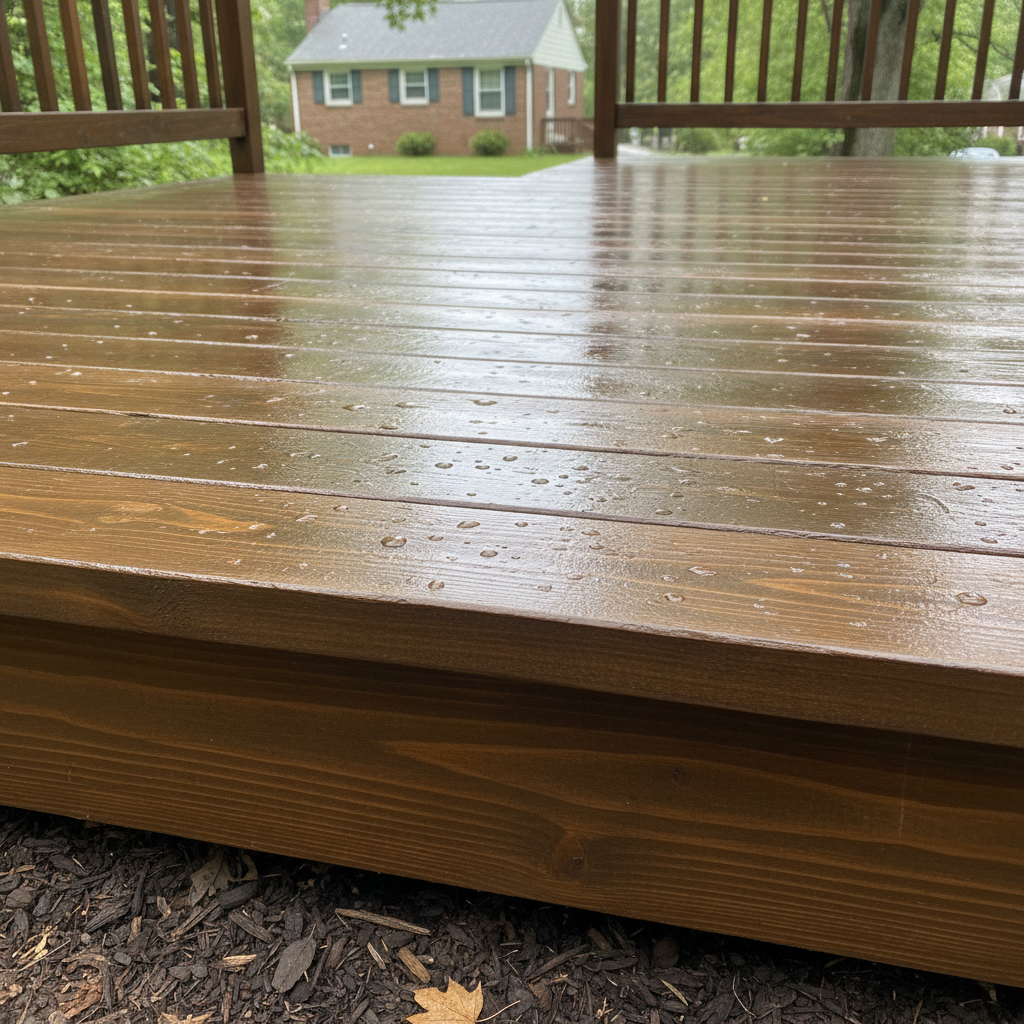
Painting or Staining Your Deck? Let's Talk About It.
Alright, so you're looking at your deck and thinking it needs a little pick-me-up. Maybe the color's faded, or it just looks a bit tired. Good for you for wanting to protect your investment! The big question usually comes down to painting versus staining. There's a lot of chatter out there, but let's get down to what really matters for your Cambridge home.
First off, there's no single right answer, you know? It really depends on what you're starting with, the look you're after, and how much work you're willing to put in. I've seen plenty of decks around Porter Square and beyond, and the choice often boils down to how long it lasts, how it looks, and what kind of upkeep it needs.
Stain: The Natural Look, Plus Protection
Most folks I talk to, especially with a newer wood deck, tend to go with staining. Why? Because stain lets the natural beauty of the wood grain show through. You've got options, too: from clear sealers that just protect, to transparent, semi-transparent, and solid stains. Each one offers a different level of opacity, which just means how much of the wood grain you can still see.
- Clear or Transparent Stains: These are basically sealers. They offer good UV protection and repel water, but they don't really change the wood's color much. You'll see every knot and grain. They typically need reapplication every year or two, especially with our wild New England weather.
- Semi-Transparent Stains: These add a hint of color while still letting some of the wood grain peek through. They're a good middle ground if you want to enhance the wood's natural tone without completely covering it up. They'll usually last 2-4 years.
- Solid Stains: These are almost like a thin paint. They cover the wood grain completely, giving a uniform color, but they still soak into the wood, unlike paint which just sits on top. They offer excellent UV protection and can last 3-5 years. If your deck has some minor imperfections or boards that don't quite match, a solid stain can hide a lot.
The beauty of stain is how it soaks right into the wood. This means it's less likely to chip, peel, or crack like paint can. When it's time to reapply, you often just need to clean the deck thoroughly and put another coat on. No heavy scraping or stripping required most of the time, which is a huge time-saver.
Paint: Bold Color, More Upkeep
Painting your deck gives you a much wider range of colors. If you want your deck to match your trim, or you're going for a really specific aesthetic, paint is your friend. But here's the catch: paint sits on the surface of the wood. This makes it more susceptible to chipping, peeling, and blistering, especially in high-traffic areas or where water tends to pool. Our freeze-thaw cycles here in Cambridge are brutal on painted surfaces, aren't they?
If you're painting over an existing painted deck, you've got to do some serious prep work. That means scraping off all the loose paint, sanding, and priming. If you don't, the new paint won't stick, and you'll be doing it all again sooner than you think. Painting a deck is a bigger commitment, both in the initial work and in the ongoing maintenance.
Before You Start: Prep is Everything
Whether you're staining or painting, the prep work is probably 80% of the job. Seriously. If you skip steps here, you're just wasting your time and money. Here's what you absolutely need to do:
- Clean It: Get rid of all the dirt, grime, mildew, and old, loose finish. A good deck cleaner and a stiff brush, or a pressure washer (used carefully!), are essential. Don't blast too hard, especially on older wood, or you'll damage the fibers.
- Repair It: Replace any rotten boards, tighten loose screws, pound in popped nails. Sand down any splinters or rough spots.
- Dry It: This is crucial. Your deck needs to be bone dry for at least 24-48 hours before you apply anything. If you put stain or paint on damp wood, it won't adhere properly, and you'll have issues down the road.
DIY or Pro?
For most homeowners, cleaning and staining a deck is a totally doable DIY project. It's labor-intensive, sure, but not overly complex. You'll need a good weekend, some elbow grease, and patience. Applying stain is usually pretty forgiving.
However, if your deck is in really rough shape, or if it's currently painted and you want to change to stain (which means stripping all that old paint off), that's when you might want to call in a pro. Stripping old paint is a messy, difficult job that often requires specialized tools and chemicals. Also, if you have a multi-level deck, or one with intricate railings and spindles, getting a uniform finish can be tricky. That's where Cambridge Deck Solutions can step in and make sure it's done right, saving you the headache and ensuring a professional, long-lasting finish.
Ultimately, the best choice for your deck depends on its condition, the look you want, and your willingness to commit to the maintenance. Do your research, prep thoroughly, and you'll have a deck you can enjoy for years to come.