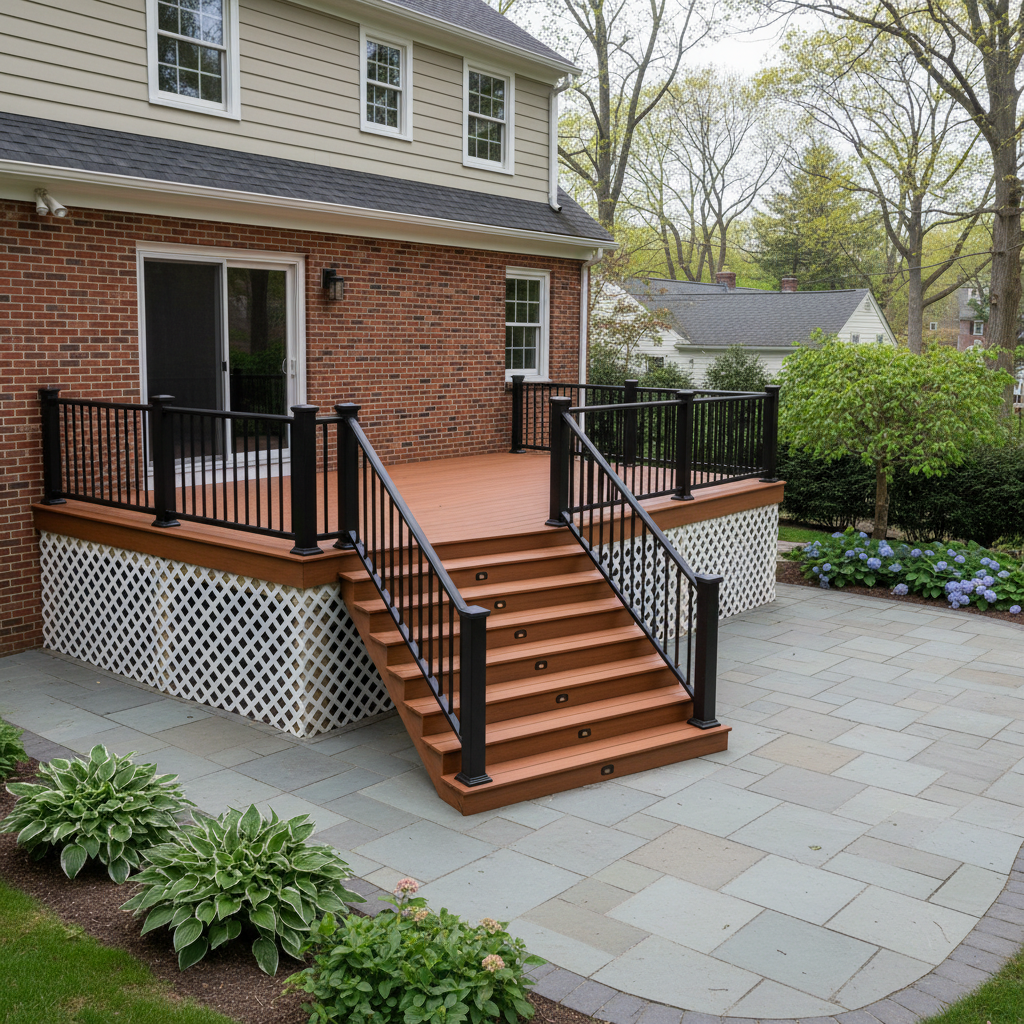
Thinking Trex? Don't Trip Up Here.
So, you're thinking about a Trex deck for your place in Cambridge. Honestly, that's a smart move. Trex is tough, it needs very little upkeep, and it really does look good for years. But I've seen people make some pretty common blunders that turn what should be an exciting project into a real headache. As someone who's put together plenty of these decks right here in town, I want to give you the straight talk on what to watch out for.
Mistake #1: Not Really Getting How the Material Works
Folks often figure composite is composite. Not true, especially with Trex. It's not just fancy plastic lumber. Each Trex line – think Trex Enhance, Select, or Transcend – has different cap layers, core materials, and even specific ways it needs to be installed. You might love how Transcend looks, but if your budget's tight, Enhance could be a much better fit. The biggest mistake here is picking a color or style from a tiny sample and not thinking about how it'll actually perform or look in a bigger space. Or how it'll handle our crazy New England weather, for that matter. Some darker colors can get pretty scorching in direct sun, which is definitely something to consider if your deck faces south and you've got little kids or pets running around.
Mistake #2: Forgetting About the Framing and Joist Spacing
This is a big one, and it's almost always a hidden problem until it's way too late. Trex, like all composite decking, needs specific joist spacing to keep it from sagging and to make sure its warranty stays valid. Most wood decks use 16-inch on-center joists. Trex often needs 12-inch spacing for boards that run straight across, and even tighter for diagonal layouts. If your contractor just slaps Trex onto an old wood deck frame, or builds a new one without paying close attention to these specs, you're going to end up with bouncy spots, uneven boards, and a deck that just doesn't feel solid. I've seen decks built over in the Huron Village area where the old framing just wasn't good enough for composite, and trying to save a buck by reusing it ended up costing way more down the road.
Mistake #3: Ignoring Ventilation and Drainage
Trex needs air to move around it, especially if it's low to the ground. If you're building a deck that's close to the earth, or one that's enclosed on the sides, you really need to plan for good ventilation. Without it, moisture can get trapped, leading to mold and mildew growing on the underside of the boards, and even messing with the substructure. It can also make the boards expand and contract unevenly. Good drainage around the deck's edge is also super important. You don't want water sitting in puddles underneath. This is especially key in places like Cambridge where we get some serious rain and snowmelt, wouldn't you say?
Mistake #4: Skimping on Fasteners and Hardware
You've put money into premium decking, so don't let cheap fasteners mess it up. Trex has specific fastening systems, often hidden clips, that let the boards expand and contract the way they're supposed to. Using the wrong screws or not enough of them can lead to warped boards, ugly screws popping up, or even structural failure over time. I always tell people, the fasteners are just as important as the boards themselves. You wouldn't put cheap tires on a sports car, right? It's the same idea.
Mistake #5: Not Really Checking Your Contractor's Trex Experience
This isn't just about finding a good general contractor; it's about finding one who genuinely knows their way around Trex. Building with composite is different from building with wood. There are specific tools, methods, and product knowledge required. Ask for references specifically for Trex projects. Take a look at their past work. A contractor might be fantastic with traditional wood decks, but if they haven't done much composite, they might miss crucial details like joist spacing, ventilation, or using the right fastening system. Here at Cambridge Deck Solutions, we specialize in these materials, and we know all the ins and outs. Don't be shy about asking tough questions about their Trex-specific experience.
Mistake #6: Overlooking Permitting and Local Codes
Cambridge has its own rules and regulations for deck construction. It's not just about getting a permit; it's about making sure your design and how you build it meet all the local building codes. This includes things like railing height, stair rise and run, and setback requirements. Trying to skip the permitting process or working with a contractor who isn't familiar with Cambridge's specific codes is just asking for trouble. You could face fines, have to tear down your deck, or run into major issues when you try to sell your home. A good contractor will handle all the permitting for you and make sure everything's up to code right from day one.
Don't Let These Slip By
Building a Trex deck is a fantastic investment in your home and how you live. Just make sure you're going into it with your eyes wide open. Pay attention to the little things, ask the right questions, and pick a contractor who really knows their stuff when it comes to composite decking. You'll be enjoying your beautiful, low-maintenance deck for years to come without any regrets.