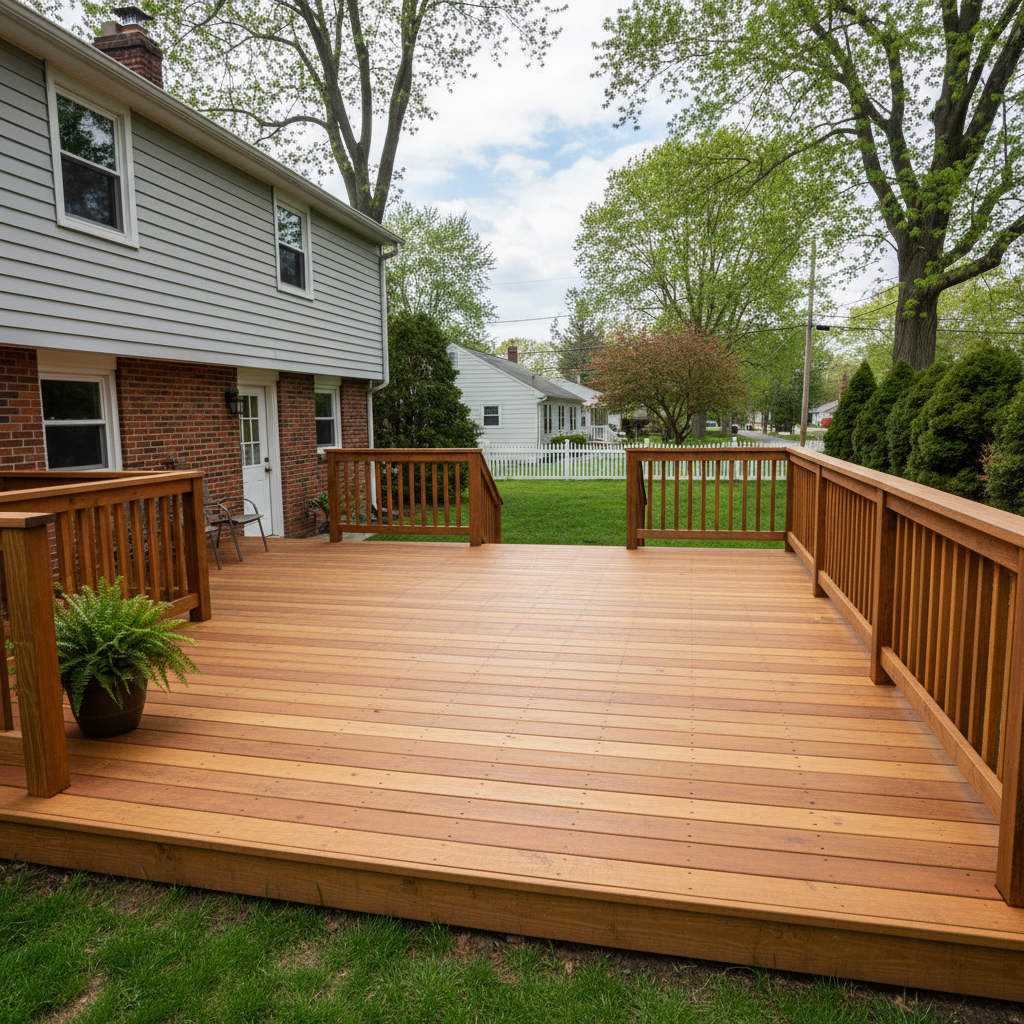
Wooden Deck Costs in Cambridge, MA: What to Expect & Pay
Alright, let's talk about wooden decks and what they're gonna cost you here in Cambridge. I get calls all the time from folks wondering about prices, and frankly, it's not as simple as a flat rate per square foot. There's a lot that goes into it, but I can give you some real numbers and help you understand what you're actually paying for.
First off, forget those national averages you see online. Cambridge is its own beast. We've got tighter lots, sometimes tricky access, and let's be honest, everything just costs a bit more here. So, when you're budgeting, keep that in mind.
What Really Drives the Price Tag?
A few big things are going to swing your final price up or down:
- Size and Shape: This is pretty obvious, right? A bigger deck means more materials and more labor. But also, a simple rectangle is way cheaper to build than a multi-level, curved design with lots of angles. Every cut, every extra corner adds time and complexity.
- Material Choice: This is huge for wooden decks. Are we talking pressure-treated pine, cedar, or a premium hardwood like Ipe?
- Pressure-Treated Pine: This is your most budget-friendly option. It's durable and good for structural elements, but it needs regular maintenance (staining, sealing) to look its best and last.
- Cedar: A step up. It's naturally resistant to rot and insects, looks beautiful, and smells great. It's softer than hardwoods, so it can dent more easily, but it's a popular choice for its aesthetics.
- Ipe (Brazilian Walnut): This is the Cadillac of wood decking. It's incredibly dense, durable, naturally resistant to rot, insects, and even fire. It lasts for decades with minimal maintenance, but it comes at a premium price.
- Deck Height and Foundation: A ground-level deck is simpler. A second-story deck, or one over tricky terrain, needs more robust footings, often taller posts, and more complex framing. We deal with a lot of clay soil around here, especially in places like North Cambridge, which can sometimes mean deeper or more engineered footings to prevent settling over time, adding to the cost.
- Features and Finishes: Railings, stairs, built-in benches, pergolas, lighting, skirting – all these add-ons are extra. A basic deck might just have a simple wood railing, but a custom metal baluster or glass panel system will significantly increase the cost.
- Site Access: Can we get a truck right up to your backyard? Or do we have to haul every piece of lumber through a narrow side yard, past your prize-winning hydrangeas, and up three flights of stairs? Limited access means more labor time, and that costs money.
Typical Wooden Deck Cost Ranges in Cambridge, MA
Okay, let's get down to some numbers. These are general ranges for the entire project, including materials, labor, and permits. Remember, these are starting points, and your specific project could be higher or lower.
- Pressure-Treated Pine Deck: For a basic, ground-level to moderately elevated deck (say, 200-300 sq ft), you're generally looking at $45 - $70 per square foot. So, a 250 sq ft deck could be anywhere from $11,250 to $17,500. Add more complex features or height, and that can push it higher.
- Cedar Deck: For a similar size and complexity, cedar usually runs about $60 - $95 per square foot. That 250 sq ft deck could be $15,000 to $23,750.
- Ipe/Hardwood Deck: This is where it gets pricier. Expect to pay $90 - $150+ per square foot. That same 250 sq ft deck could easily be $22,500 to $37,500 or more, especially with custom details.
These ranges include everything from design and permitting to the final build and cleanup. Don't forget that Cambridge permitting can add a bit of time and cost too, usually a few hundred dollars for the permit itself, plus any necessary plans or engineering reviews.
What Should Be Included in Your Quote?
When you get a quote from a reputable builder like Cambridge Deck Solutions, it should be pretty comprehensive. Here's what you want to see:
- Detailed Material Breakdown: What type of wood for decking, framing, railings? Specific fasteners?
- Labor Costs: Clearly outlined.
- Permit Fees: Often handled by the contractor, but make sure it's stated.
- Design & Plans: If custom design work is involved.
- Site Preparation: Demo of old deck, grading, etc.
- Foundation Work: Specifics on footings.
- Construction & Installation: All the building.
- Cleanup & Debris Removal: You don't want a dumpster sitting in your driveway for weeks.
- Warranty Information: Both on materials and workmanship.
If a quote just gives you one number, push back. You need to understand where the money is going.
How to Avoid Overpaying (and Headaches)
Nobody wants to feel ripped off, especially on a big home improvement project. Here are my tips:
- Get Multiple Quotes: Don't just go with the first guy. Get at least three detailed quotes from licensed and insured contractors. This helps you compare apples to apples.
- Be Specific About What You Want: The more details you provide upfront, the more accurate the quotes will be. If you keep changing your mind mid-project, expect change orders and higher costs.
- Check References and Portfolios: Look at their past work. Talk to previous clients. A good contractor will be happy to provide these.
- Don't Always Go for the Cheapest: This is a big one. The lowest bid often means corners are being cut, or they've underestimated the job. You'll pay for it in headaches, shoddy work, or future repairs. Look for value, not just the lowest price.
- Understand the Contract: Read every word before you sign. Make sure everything you discussed is in writing, including payment schedules, timelines, and warranties.
- Ask About Hidden Costs: Are there extra charges for material delivery? What about unexpected soil conditions? A good contractor will discuss these possibilities upfront.
Building a new wooden deck is a significant investment, but it adds so much to your home and lifestyle. Do your homework, ask the right questions, and choose a contractor who communicates clearly and has a solid reputation. You'll end up with a beautiful, long-lasting deck that's worth every penny.