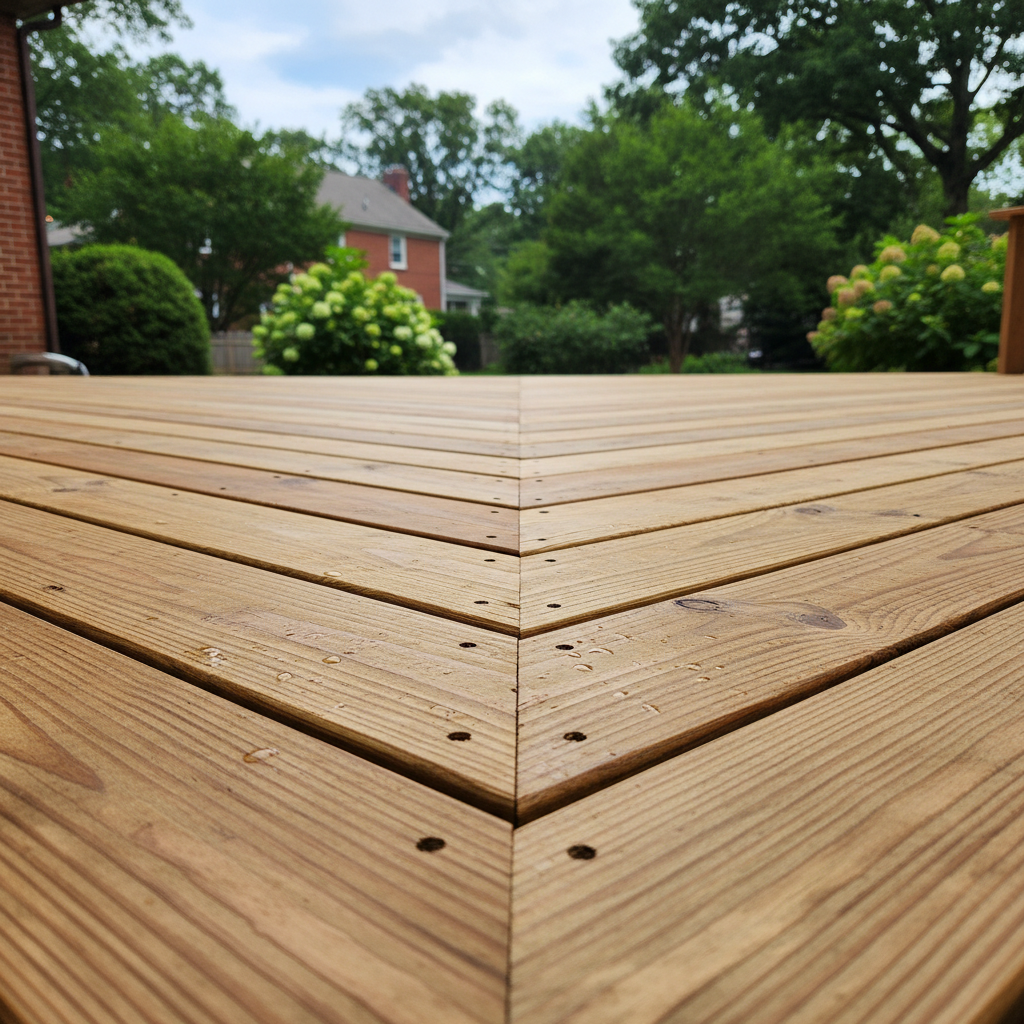
So, you're thinking about a wooden deck for your Cambridge home? Good call. There's really nothing quite like the natural look and feel of real wood, is there? But before you grab a hammer or even start sketching, let's chat about what actually goes into a successful wooden deck project, from beginning to end. You'll want to know what you're getting into, what you might tackle yourself, and when it's just plain smarter to bring in the pros.
Before You Build: Planning & Permits
Planning is probably the most crucial part of any deck project, especially when you're working with wood. You can't just slap some boards down and call it a day. First, really think about what you want to use the deck for. Is it for grilling and eating outside? Lounging in the sun? Or maybe a quiet spot for your morning coffee? That'll help you figure out the right size, shape, and even the type of wood you should consider. Pressure-treated pine is common and affordable, sure, but cedar or redwood can look amazing and resist rot better, though they'll cost you more upfront.
Next up: permits. Seriously, don't even think about starting without one. Cambridge is pretty particular about building codes, and for good reason – it's all about safety. You'll need to send your plans over to the Inspectional Services Department (ISD). This usually means a site plan, construction drawings, and sometimes even a structural engineer's stamp, especially if your deck is high up or a bit complicated. This isn't really a DIY job for most homeowners. A good contractor, like us at Cambridge Deck Solutions, deals with this stuff all the time and knows all the local rules inside and out. Trying to get through the permit process yourself can be a huge headache, trust me, and it'll definitely slow your project down.
Also, take a good look at your yard and house. How will the deck connect to your home? What's the sun exposure like throughout the day? Do you have any underground utilities you need to know about? Digging footings and hitting a gas line is a nightmare you absolutely want to avoid.
During Construction: DIY vs. Pro
Alright, plans are approved, permits are in hand. Now for the actual build. What can you realistically do yourself?
- Demolition: If you're replacing an old deck, tearing down the existing structure is often something a handy homeowner can manage. Just make sure you've got the right tools and a clear plan for getting rid of all the debris.
- Staining/Painting: Once the deck is built and dry, putting on a stain or paint is definitely a DIY-friendly task. It's a lot of work, but it doesn't require any super specialized skills.
- Small Repairs: Replacing a single warped board or a loose railing spindle? Go for it.
But when it comes to building a brand new wooden deck, especially anything more than a simple ground-level platform, you're usually better off hiring a professional. Here's why:
- Footings: These need to be dug to the correct depth (which is about 4 feet below the frost line here in New England) and poured properly. Get this wrong, and your deck will heave and settle, creating an uneven, unsafe surface.
- Framing: This is the skeleton of your deck. Joists, beams, and ledger boards need to be precisely cut, spaced, and fastened according to code. Any mistakes here compromise the structural integrity. We've seen plenty of DIY decks that look okay from a distance but are wobbly or improperly supported – a real safety hazard.
- Stairs and Railings: These are crucial for safety and often where code violations pop up. Tread depth, riser height, baluster spacing – it all needs to be exact.
- Tools and Expertise: Building a deck requires specialized tools like miter saws, circular saws, impact drivers, and sometimes even post-hole diggers. Plus, you need the experience to read plans, solve problems on the fly, and work efficiently.
For most homeowners, the structural part of the deck is best left to folks who build them every single day. You'll save time, avoid expensive mistakes, and most importantly, end up with a safe, compliant deck that lasts.
After It's Built: Maintenance is Key
A wooden deck isn't a "set it and forget it" kind of thing, especially with our wild Cambridge weather. Those harsh winters and humid summers can really do a number on wood. Regular maintenance is super important if you want your deck to look good and last for decades.
Here's what you should be doing:
- Cleaning: Once a year, give your deck a good scrub. A pressure washer can work wonders, but be careful not to use too high a setting, especially on softer woods, as you can damage the fibers. Honestly, a good deck cleaner and a stiff brush often do the trick just fine.
- Sealing/Staining: This is basically your deck's sunscreen and raincoat. Depending on the product and wood type, you'll need to reapply a sealer or stain every 1-3 years. This protects against UV damage, moisture, and mildew. If you let it go too long, your wood will gray, crack, and become much more likely to rot.
- Inspecting: Periodically check for loose fasteners, splintered boards, or any signs of rot, especially where wood meets the ground or other structures. Pay extra attention to the ledger board where it attaches to your house – that's a common spot for water to get in if it's not flashed correctly.
- Clear Debris: Don't let leaves and dirt pile up, especially between boards. That traps moisture and encourages rot.
You can definitely handle most of the maintenance yourself. It's a bit of work, but it's satisfying to keep your outdoor space looking sharp. If you notice significant structural issues, widespread rot, or just don't have the time, that's when you call in a professional. We can assess the damage, make repairs, or even tell you if it's time for a full replacement.
A beautiful wooden deck adds so much to your home and lifestyle. With the right planning, smart choices about when to DIY and when to hire a pro, and consistent maintenance, you'll enjoy your outdoor oasis for many years to come.